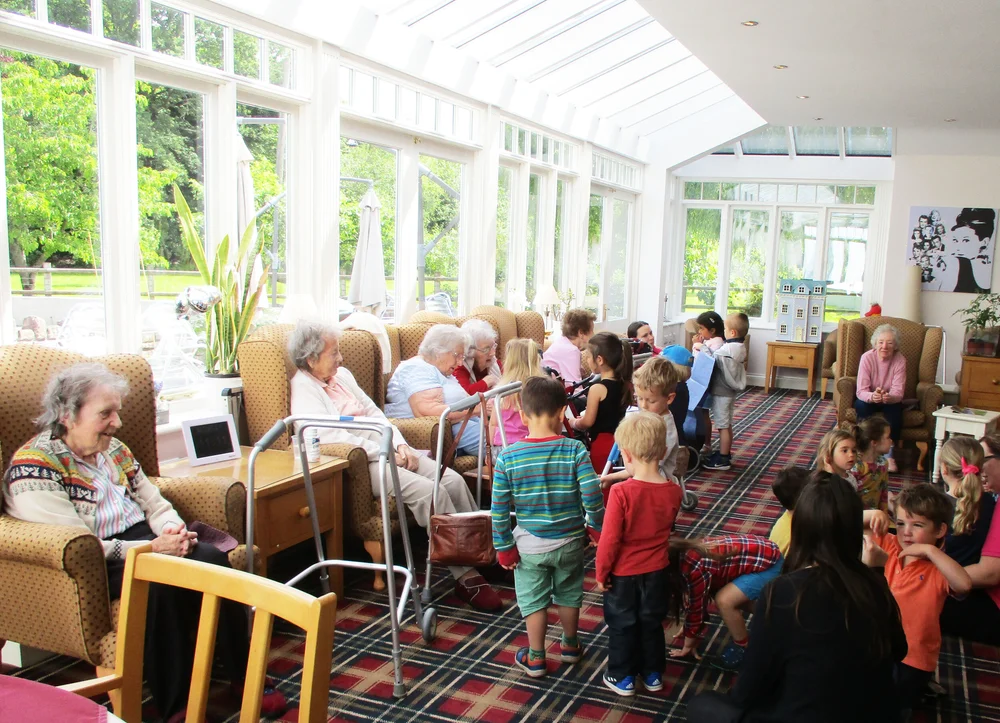
When researching care options for an elderly family member, the terminology can quickly become confusing. Families often find themselves navigating a complex landscape of senior living models, trying to understand the difference between visiting support, home care housing, sheltered apartments, and specialized clinical facilities.
In Herefordshire, the ultimate goal is always to find a solution that prioritizes physical safety, medical security, and mental well-being. This guide breaks down the core concepts of independent supported living, explains when 24/7 nursing home accommodation becomes medically necessary, and explores why Whitchurch House represents the perfect boutique residential alternative to traditional nursing homes Hereford options.
Defining Home Care Housing: Independent Living with Support
The term home care housing generally refers to independent residential environments—such as sheltered housing, retirement developments, or assisted living Herefordshire complexes—where seniors live in their own self-contained apartments but have access to visiting care services and shared communal areas.
For many active seniors, this setup offers an appealing middle ground that supports independent living for seniors:
-
Personal Autonomy: Residents maintain their own front door, private kitchen, and daily routine.
-
Flexible Assistance: Visiting carers can be arranged to assist with personal hygiene, meal preparation, or medication prompts.
-
Communal Safety Nets: Most complexes feature emergency pull cords, secure entry systems, and on-site wardens or managers during daytime hours.
The Vulnerabilities of Supported Housing
While independent home care housing is a fantastic step for those who only require light, structured assistance, it often falls short as physical frailty or cognitive decline progresses.
Visiting agency staff typically work on rigid, time-limited schedules. This means seniors may still spend up to 22 hours a day completely alone, elevating the risks of social isolation, nutritional neglect, and unassisted falls. Furthermore, coordinating multiple private agencies to manage a loved one’s escalating needs can become logistically exhausting and financially unpredictable.
When is Specialized Nursing Home Accommodation Required?
When a senior's medical needs advance to a stage where they require continuous clinical observation and intervention, standard housing setups are no longer safe. This is when families must begin researching registered clinical facilities and dedicated nursing home accommodation.
A clinical environment is designed specifically to handle complex, fluctuating, or severe health profiles. You should prioritize searching for specialized nursing homes Hereford if your relative is living with:
-
Intense Clinical Requirements: The need for regular intravenous (IV) therapies, clinical injections, complex wound management, or deep-suctioning respiratory support.
-
Severe Mobility Restrictions: Advanced physical frailty where a resident is bedbound and requires specialized hoists, sliding sheets, and pressure-relieving mattress systems.
-
Unstable Medical Conditions: Fluctuating cardiovascular, renal, or neurological conditions that require 24/7 on-site diagnostic monitoring by Registered General Nurses (RGNs).
-
Complex Palliative Needs: Holistic, clinically managed end-of-life care focusing entirely on pain relief, physical comfort, and emotional dignity.
Choosing a facility that offers robust, medical-grade nursing home accommodation ensures that qualified clinicians are always on hand to manage emergencies, administer prescription drugs, and coordinate directly with local hospital trusts.
Navigating Care Home Accommodation Costs and Financial Planning
Understanding the financial frameworks of senior care is a crucial step in finding a sustainable long-term solution. When families calculate care home accommodation costs, they must weigh the price of a fully managed residential setting against the rolling expenses of staying in their own property.
Comparing the Cost Models:
-
The Hidden Costs of Staying at Home: While remaining in independent home care housing sounds economical, the cumulative fees of hourly visiting care agencies, emergency call-out subscriptions, home modifications, food shopping, and rising utility bills often exceed the flat weekly rate of an all-inclusive care home.
-
NHS Funded Nursing Care (FNC): If your relative is assessed as needing registered clinical care in a nursing home, the local Integrated Care Board (ICB) may pay a non-means-tested weekly contribution directly to the home to help offset nursing staff costs.
-
Local Authority Funding: If your loved one's total capital assets fall below the national threshold, the local authority may cover a portion of the care home fees, whereas self-funded individuals pay standard private rates.
Choosing an independent, family-run home like Whitchurch House provides families with transparent, predictable pricing, ensuring there are no unexpected administrative or service charges.
Whitchurch House: The Warm, Boutique Alternative to Hereford Nursing Homes
For families who realize that independent home care housing is no longer safe or sufficient, but who wish to avoid the sterile, hospital-like feel of large-scale nursing homes Hereford has to offer, Whitchurch House provides the ideal, high-quality solution.
Located in a scenic, tranquil setting near the Herefordshire and Shropshire borders, Whitchurch House is an elegant, family-run residential care home near Ross on Wye that prioritizes community, premium comfort, and highly personalized care. We bridge the gap between home-based autonomy and 24-hour safety:
-
A True Home Away from Home: We reject the institutional design of modern clinical facilities. Our home features beautifully decorated, cozy drawing rooms, a bright, social dining hall, and level, accessible sensory gardens.
-
24/7 Dedicated Residential Care: While we do not operate as a clinical nursing home, we maintain highly trained residential staff twenty-four hours a day. We manage all personal care, mobility transfers, and medication routines with absolute dignity.
-
Seamless Clinical Partnerships: For residents with evolving medical needs, we maintain close, daily partnerships with local GP practices and visiting NHS district nursing teams, ensuring our residents receive professional clinical support within a warm, familiar residential environment.
-
Vibrant Social Calendars: We actively combat the isolation common in independent housing. Our full-time activities coordinators curate daily social events, creative crafts, gentle mobility classes, and local outings in our specialized transport.
-
All-Inclusive Comfort: We remove the stress of daily chores. Delicious, nutritious meals are prepared fresh daily by our in-house chefs using premium local Herefordshire ingredients. All laundry, housekeeping, and utility bills are fully managed under our transparent fees.
Easing the Transition: The Power of Respite Care Hereford
Moving from independent housing into a supportive care community is a major transition. To help seniors adapt to this new lifestyle without feeling overwhelmed, utilizing short-term respite care Hereford breaks can serve as an invaluable transition strategy.
Why Consider a Respite Stay?
-
A Supportive Trial Run: It allows seniors to experience the social environment, dine on our home-cooked meals, and meet the staff without the pressure of a permanent move.
-
Combating Seasonal Isolation: During colder winter months when rural Herefordshire properties can feel particularly isolating, a temporary respite stay offers warmth, professional safety, and round-the-clock companionship.
-
Convalescent Recovery: If a loved one is discharged from the hospital after an illness or fall, a short-term residential stay ensures they receive the dedicated rehabilitation and physical care needed to regain their strength safely.
Side-by-Side Comparison: Finding the Right Path
To help your family evaluate these senior living models, the comparison table below outlines the core differences in service and security.
|
Feature |
Home Care Housing |
Clinical Nursing Home |
Whitchurch House Boutique Care |
|---|---|---|---|
|
Primary Goal |
Independent living with basic aid |
Comprehensive medical treatment |
Safe, enriching communal living |
|
Staff Presence |
Scheduled visiting hours only |
24/7 Registered Nurses on-site |
24/7 Trained Residential Carers |
|
Social Environment |
Self-directed (High risk of isolation) |
Communal (Often highly clinical) |
Warm, active family atmosphere |
|
Meals & Dining |
Resident's responsibility or basic aid |
Prepared by institutional kitchen |
Fresh chef-prepared local dining |
|
Clinical Partnerships |
Family must coordinate with GPs |
In-house medical team |
Managed partnerships with local NHS |
|
Housekeeping & Bills |
Resident manages private utilities |
Fully managed by the facility |
Fully managed (All-inclusive fees) |
Frequently Asked Questions (FAQs)
What is the main difference between home care housing and a residential home?
Home care housing involves living in a private, independent apartment and paying visiting agencies to drop in at scheduled times. A residential home like Whitchurch House provides a fully managed communal environment where professional carers are on-site 24 hours a day to assist with any physical, social, or emergency needs immediately.
How do I know if my loved one needs nursing home accommodation instead of residential care?
If your relative requires continuous clinical procedures—such as complex wound management, tube feeding, or round-the-clock observation by a registered nurse—they require nursing home accommodation. If they require help with daily activities, mobility, and medication but are medically stable, residential care at Whitchurch House is typically a warmer, more vibrant, and highly suitable option.
Can Whitchurch House coordinate with district nurses for medical needs?
Yes, absolutely. We have excellent, long-standing relationships with local primary healthcare providers, visiting district nursing teams, and GP practices. This collaborative approach allows us to manage many minor or ongoing clinical treatments seamlessly without requiring residents to move to a more institutional setting.
How are care home fees structured for respite care?
Our respite stays are billed on a flat, weekly all-inclusive rate. This covers luxury accommodation, 24-hour on-site personal care, laundry and housekeeping services, our complete daily activities programme, and all home-cooked dining.
How can we arrange a visit to explore Whitchurch House?
We encourage families to experience our warm community firsthand. Contact our friendly care team to arrange a personal tour, meet our dedicated staff, sample our delicious local menus, and explore our beautiful gardens.